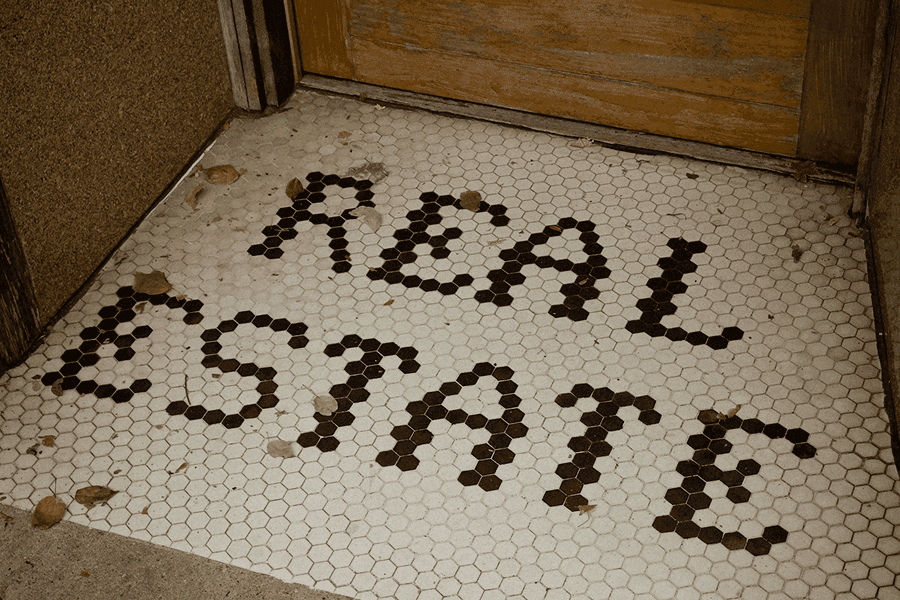
How To Use Grants To Buy Your First Home With Mark Spain Real Estate


Nov 17, 2026
How To Use Grants To Buy Your First Home With Mark Spain Real Estate
How To Use Grants To Buy Your First Home With Mark Spain Real Estate
Buying your first house on a tight budget is hard, but you don't have to do it alone. Federal, state, and local grant programs exist specifically to help low-income families cover down payments and closing costs, and the right team can help you stack those programs with low-down-payment loans like FHA financing. In this guide, we'll walk through who qualifies, where to find the money, and the exact steps to take from first search to closing day.
Introduction
If saving for a down payment is the only thing standing between your family and a front door of your own, grant programs were built for you. Unlike loans, grants don't have to be paid back. They come from federal agencies, state housing finance agencies, cities and counties, and even nonprofit lenders, and thousands of families use them every year.
At Mark Spain Real Estate, our team has nearly 30 years of experience and more than $20 billion in real estate sold, and we've helped more than 72,200 satisfied clients make a move. We work with buyers across Atlanta and Athens Metro Area, Nashville, Raleigh, Charlotte, Greensboro, Orlando, Tampa, Jacksonville, Sarasota, Fort Worth, Dallas, and every market we serve. Here's how to put grant money to work on your first home.
Prerequisites
Before you apply for any grant program, get these basics in order:
- A steady income and a budget. Most programs check that your household income falls below an area-specific limit, often set around 80% of the area median income. Know your gross household income before you apply.
- A credit baseline. Many down payment assistance programs work alongside FHA loans, which are flexible on credit. Check where your score stands and fix any errors on your reports early.
- A savings cushion, even a small one. Grants often cover the down payment, but you may still need money for inspections, moving costs, or a small buyer contribution.
- A pre-approval or a plan to get one. Sellers and programs alike want to see that a lender has reviewed your finances. You can start with our talk to a lender to see what a realistic monthly payment looks like.
- A home in mind within program limits. Some grants cap the purchase price or require you to buy in specific areas, so it helps to know where you want to live.
Step-by-step
1. Learn the main grant and assistance programs
Start by knowing what's out there. Federal programs include FHA loans, which allow low down payments, and in some cases special programs for buyers purchasing in certain areas. State housing finance agencies offer down payment assistance grants and forgivable second loans to first-time buyers who meet income limits. Many cities and counties run their own programs, and some employers, unions, and nonprofits offer assistance too. A HUD-approved housing counselor can walk you through the options for free and help you avoid scams.
2. Check the income and location requirements
Every program sets its own rules. Some are limited to first-time buyers (usually defined as someone who hasn't owned a home in the past three years), some require you to complete a homebuyer education class, and some restrict where or what you can buy. Write down the requirements for each program you're considering so you can see where you qualify.
3. Get pre-approved with a lender who knows assistance programs
Not every lender works with every grant, so ask upfront. A lender familiar with down payment assistance can tell you which programs pair with which loan types and what your timeline looks like. This is also where FHA financing comes in: with flexible credit and low down payment requirements, FHA loans are one of the most common tools first-time buyers use, and in some cases qualified buyers can put down as little as $100 through special FHA programs.
4. Complete a homebuyer education course
Many grant programs require an approved homebuyer education class before closing. These courses, often available online or through HUD-approved counseling agencies, cover budgeting, mortgages, and the closing process. Build the class into your timeline early so it doesn't hold up your purchase.
5. Find your home with a team that knows first-time buyers
Once your financing is lined up, the fun part starts. Our team can help you search homes for sale in your price range and target neighborhoods, and we'll help you factor grant program limits into your search so you don't fall in love with a house the program won't cover.
6. Apply for the grant funds and make your offer
Your lender or counselor will help you submit the assistance application, usually alongside your mortgage application. Timing matters: some programs have limited funds that run out, so apply as soon as you're eligible. When the offer goes in, your agent will help you negotiate terms that keep your out-of-pocket costs as low as possible.
7. Close with a clear picture of your costs
At closing, your grant or assistance funds are applied to your down payment or closing costs. Review your closing disclosure carefully, ask questions about anything you don't understand, and celebrate: you just used every tool available to get your family into a home of its own.
Common pitfalls
- Waiting too long to apply. Some grant programs have limited funding cycles. If you wait until you've found a house, the money may be gone. Apply early, even before you've found the home.
- Skipping the homebuyer education class. If your program requires it, an incomplete class can delay closing. Knock it out early.
- Assuming your credit disqualifies you. FHA loans and many assistance programs are more flexible than buyers expect. Talk to a lender before ruling yourself out.
- Shopping above program limits. Some grants cap the purchase price. Falling for a home above that cap can cost you the assistance. Search within your program's limits from the start.
- Falling for down payment scams. Never pay an upfront fee to "unlock" grant money. Legitimate programs are run by government agencies and approved nonprofits, and HUD-approved counselors are free.
- Going it alone. The paperwork is manageable with the right team, and frustrating without one.
Frequently Asked Questions
Do first-time home buyer grants have to be repaid? True grants do not. Some assistance comes as a forgivable second loan or a repayable loan if you sell or refinance within a set number of years, so ask your lender or counselor exactly which type you're receiving.
Can low-income families really buy with little or no money down? Yes. FHA loans allow low down payments, special programs in some cases allow as little as $100 down, and down payment assistance grants can cover the rest in many situations. The combination is what makes homeownership possible on a modest income.
What income counts as "low income" for these programs? It depends on where you live. Most programs use area median income, often with limits around 80% of the median for your household size. A HUD-approved housing counselor or your state housing finance agency can tell you the exact limits for your county.
How long does the process take? Plan on 30 to 60 days from contract to closing once you're under contract, plus a few weeks upfront for pre-approval, homebuyer education, and grant applications. Starting the program paperwork early is the single best way to keep your timeline tight.
Conclusion
Grant money, flexible FHA financing, and the right guidance can turn a down payment from a wall into a doorway. You don't have to figure out any of it alone. At Mark Spain Real Estate, we've helped buyers across Atlanta, Dallas, Tampa, Orlando, and every market we serve find homes they love, and we're ready to do the same for your family. Connect with a local agent today, browse our current homes for sale, and visit our blog for more first-time buyer guidance!
Share