Oct 21, 2026
The renovations that increase your home's value the most before selling are usually the small, high-visibility ones: fresh interior paint, updated lighting and hardware, a deep clean and declutter, modest kitchen and bathroom refreshes, and improved curb appeal. Full-scale remodels rarely return their full cost at closing, so the goal is to make your home show better than the competition without sinking money into projects buyers won't pay for.
If you're getting ready to sell, you've probably stared at your kitchen and wondered whether you should gut it. Here's the honest answer most agents will give you across the kitchen table: buyers decide based on first impressions, and the projects that move the needle are almost never the most expensive ones.
At Mark Spain Real Estate, we've walked sellers through this decision thousands of times. Our team has nearly 30 years of experience and more than $20 billion in real estate sold, and the pattern holds in every market we serve: smart, targeted updates beat big-ticket remodels almost every time. Below, we'll break down which renovations are worth your money, which ones to skip, and how to know the difference before you spend a dime.
Before you think about any major project, handle the basics. These are the updates buyers notice in the first ten seconds of a showing, and they consistently deliver the strongest return per dollar spent.
Interior paint. A fresh coat of neutral paint is the single most reliable pre-sale update. It covers years of wear, brightens rooms, and helps buyers picture their own furniture in the space. Stick with warm neutrals, and don't forget trim and doors.
Lighting and fixtures. Swapping dated light fixtures, cabinet pulls, and faucets for modern versions takes a weekend and a modest budget. Buyers read updated fixtures as a sign the home has been cared for.
Deep clean and declutter. This one costs almost nothing but effort. A spotless, uncluttered home photographs better, shows better, and routinely sells faster. If your budget allows, professional cleaning and staging are worth considering.
Flooring touch-ups. You don't need new floors everywhere. Replacing worn carpet in the main living areas or refinishing scratched hardwood in high-traffic rooms makes a strong impression without a whole-house project.
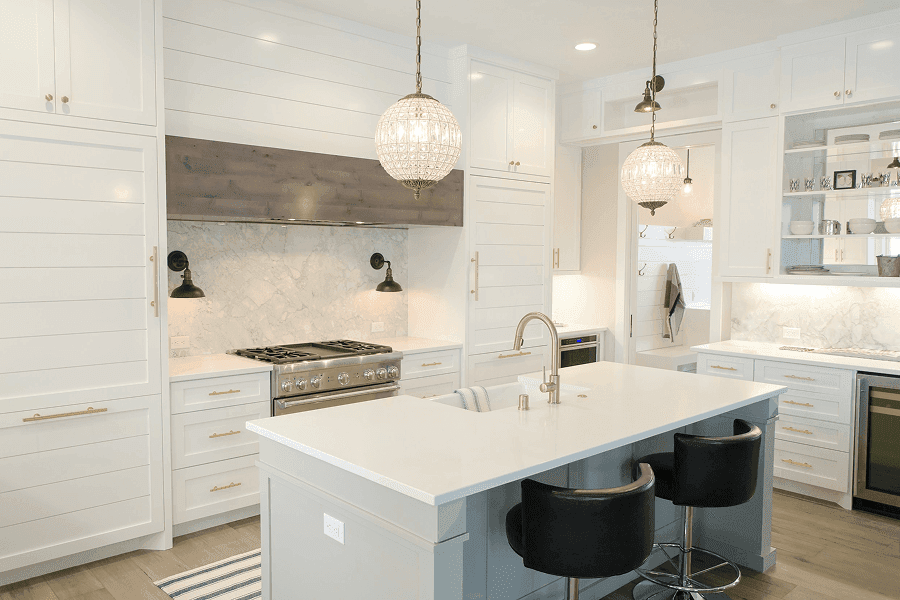
Kitchens and bathrooms sell homes. That doesn't mean you should remodel them, though. A full kitchen renovation can easily run tens of thousands of dollars, and you rarely recoup all of it at sale. What works better is a targeted refresh:
The rule of thumb: fix what looks tired, replace what's broken, and stop there. Buyers pricing your home will mentally discount a dated kitchen, but they'll discount a remodeled one too if the price reflects it. The refresh hits the sweet spot in between.
Buyers form an opinion before they're through the front door, so the exterior deserves real attention. Fortunately, curb appeal projects are inexpensive:
None of these will break the budget, and together they can change how buyers read everything they see afterward.
Some renovations make sense for living in a home but not for selling one. Be cautious about:
When in doubt, ask what buyers in your specific neighborhood expect at your price point. That's exactly the question a CMA answers.
The smartest renovation plan starts with data, not guesswork. A Comparative Market Analysis looks at what similar homes in your area have recently sold for and what condition they were in, so you can see which updates actually move the price in your market. We provide a free CMA as a standard part of our listing process, and it's the best first step before you commit to any project budget.
It's also worth deciding early how you want to sell. If your priority is speed and certainty, our Guaranteed Cash Offer program lets qualifying homeowners skip repairs and showings entirely: you get a cash offer, you pick the closing date, and no repairs are needed. If maximizing your price through full market exposure is the goal, a traditional listing with targeted pre-sale updates is the stronger play. Both are legitimate paths; the right one depends on your timeline and priorities, and we'll help you weigh them honestly.
What renovation adds the most value before selling? Fresh interior paint typically delivers the best return relative to cost, followed by kitchen and bathroom refreshes (paint, hardware, faucets, countertops) and curb appeal improvements. These cost relatively little and change how buyers perceive the whole home.
Should I renovate my kitchen before selling? Usually a refresh, not a full remodel. Updated cabinet hardware, paint, modern fixtures, and clean countertops make a strong impression at a fraction of a gut renovation's cost. A full remodel rarely returns its full price at sale.
Is it worth replacing the roof or HVAC before selling? If the system is failing or near the end of its life, yes, because inspection problems can derail a sale or trigger price reductions. If it's working fine, replacement usually won't return its cost and isn't necessary.
How do I know which renovations matter in my market? Start with a Comparative Market Analysis. It shows what comparable homes in your area sold for and in what condition, so you can target the updates buyers in your price range actually pay for.
The best pre-sale renovations share one trait: they make your home look well cared for without pretending it's something it's not. Paint, lighting, a sparkling clean interior, modest kitchen and bath refreshes, and strong curb appeal will do more for your sale price than any single big-ticket project.
You don't have to figure out that list alone. At Mark Spain Real Estate, we've helped more than 72,200 satisfied clients sell smart, whether the home is in the Atlanta and Athens Metro Area, Dallas, Tampa, Orlando, or another market we serve. Start with a free consultation with a local agent, and visit our blog for more selling guidance. Let's get your home sold!
Share


Newest Posts